


MU: Dark Epoch
4.22.31K Reviews
App Specs
- Version
- 1.60.01
- Updated On
- License
- Free
- Downloads
- 1,000,000+
- Developer
- 37GAMES
- Categories
- Role Playing
- Platform
- Android, iOS
Screenshots





 Analysis by AppCompare
I came away seeing MU: Dark Epoch as a mobile role-playing game built around familiar MMORPG pleasures: choosing a hero, roaming a fantasy setting, taking on quests, and returning to a stream of combat and character growth. That familiarity makes it easy to approach, but it also means the fit depends on what you want from a game. If you enjoy a persistent-feeling fantasy adventure that can be played in short bursts, it may suit you; if you want every action to demand constant manual input, its hands-off moments may feel like a drawback.
Reading the screen and finding your way
On a phone, visual detail is only useful when it stays legible during play. The colorful environments and detailed character designs give the world personality, while the busy nature of an MMORPG can make it harder to focus on one thing at a time. I would approach the first sessions as a chance to learn the visual rhythm: notice where quest prompts and combat activity appear, and avoid trying to absorb every effect while moving through a crowded encounter.
The class choice is an early decision with a practical consequence: it shapes how you interact with battles, not just how your character looks. I’d pick based on the actions I enjoy repeating—close-range fighting or spellcasting—rather than trying to guess which option is strongest. That makes the opening more comfortable and helps avoid investing time in a style that feels wrong. If you are new to mobile MMORPGs, take a moment to get used to the interface before joining a hectic fight; learning where the important information sits is easier when the screen is calm.
Auto-play is a convenience, not a substitute for attention
The auto-play feature is useful when I want to move through easier tasks without continuously steering every step. It can make routine progression feel less demanding, particularly during a short break when I would rather check in than play with full concentration. But it is not the same as an idle game: the original review’s distinction matters, because boss fights and PvP call for more deliberate involvement. I would treat auto-play as a way to reduce repetition, not as a promise that the game can be left unattended through every challenge.
That difference is also relevant for players with different motor needs or energy levels. Letting the character handle simpler tasks may reduce the amount of sustained tapping required, but it does not establish that all encounters are equally manageable. A useful personal test is to try a low-pressure quest first, then see how a boss encounter feels before committing to long sessions. If rapid interaction or visually dense combat is uncomfortable, shorter visits and breaks are a sensible way to judge whether the game suits you.
The World of MU: Dark Epoch
MU: Dark Epoch is set in a fantastical universe filled with magic, mystery, and monstrous foes. When you first enter the game, you’re greeted with stunning graphics that bring the world to life in vibrant colors and intricate designs. The developers have done a stellar job in crafting an environment that feels both expansive and immersive.
Gameplay and Mechanics
The gameplay in MU: Dark Epoch is a mix of classic MMORPG elements with some modern twists. You start by selecting a character class, each with its unique set of skills and attributes. Whether you prefer wielding a sword as a fierce warrior or casting spells as a mystical mage, the game offers enough variety to suit different playstyles.
Worth Reading Before You Choose

EA SPORTS FC Mobile 26 Is a Bigger Football Game, but It Takes Time

Flipboard Shows What News Apps Must Do Beyond the Feed

Switching to Android Auto Means Rethinking Your Driving Routine

Google Calendar Makes a Crowded Week Easier to Manage

Ludo King Makes the Most of the Minutes Between Plans

Baby Panda World Brings Quick Play to Modern Phones, but Its Game Library Feels Busy
As you progress, you’ll embark on quests that range from simple fetch tasks to intricate dungeon raids. One of the things I absolutely loved is the auto-play feature. It allows you to sit back and enjoy the scenery while your character grinds through easier tasks. However, don’t get too comfortable, as the game demands strategic involvement during boss battles and PvP arenas.
Choosing a class and setting a comfortable pace
For someone deciding whether to install, the key question is not simply whether the game has quests, but whether its mix of routine and active play matches the time they have. A quick check-in can work well for easier progression, while a difficult fight is better approached when you can focus on what is happening. I would avoid starting a demanding encounter when I only have a moment to spare; the game’s split between automated routine and hands-on challenges makes that choice more important than it is in a purely idle RPG.
There is also a practical way to get more from the class system without overthinking it. Give your first choice enough time to show its basic feel, then judge whether the combat rhythm is enjoyable before treating progression as a commitment. The game presents warrior and mage archetypes, which gives newcomers an understandable starting point, but their appeal is personal: if you prefer direct physical action, a warrior may feel intuitive; if you like casting spells, the mage fantasy may be more appealing. I would not choose solely for imagined competitive advantage, especially if relaxed solo play is the main reason you are here.
Social Features and Community
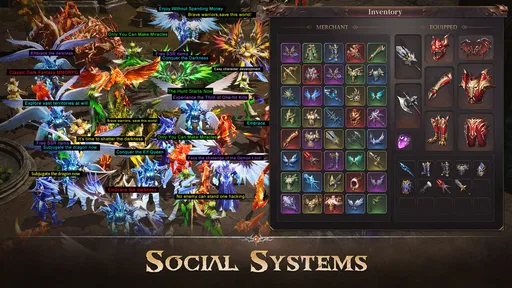
What’s an MMORPG without a strong community? MU: Dark Epoch shines here by offering a comprehensive guild system. Joining a guild not only provides you with allies in battles but also opens up opportunities for cooperative quests and events. The chat feature keeps you connected with fellow players, making it easier to strategize or just have a casual conversation.
The game also hosts regular events that encourage players to collaborate and compete, ensuring there’s never a dull moment. The community is generally welcoming, though like any online platform, you’ll find the occasional troll.
Playing with other people without making it a chore
Guilds are most valuable when you want a reason to return and a group to share the game with, not because every player needs to be socially active. If I were trying it casually, I would first see whether solo questing holds my interest, then decide if cooperative play sounds worthwhile. That order avoids treating a guild as a requirement before I know whether I enjoy the basic loop. For someone who likes coordinated play, guild activity can add a social layer; for someone who prefers quiet gaming, chat and group expectations may be more noise than benefit.
A realistic everyday use is a short session after work: I could handle a simpler task while winding down, then leave a more involved boss or PvP match for a time when I can pay attention. If friends are playing, a guild gives that session a shared purpose; if they are not, the game still has its quests and fantasy exploration. The trade-off is that online community brings other people’s behavior with it. The occasional troll noted in the original experience is a reminder to keep expectations sensible and to engage socially only as much as I find enjoyable.
Visuals and Soundtrack
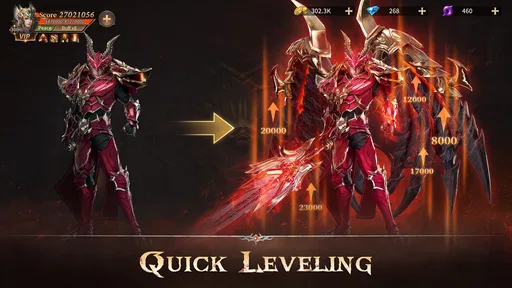
Visually, the game is a treat. The character models are detailed, and the landscapes are beautifully rendered, making every area you explore unique and captivating. The animations during combat are fluid and add an extra layer of excitement to the battles.
The soundtrack deserves a special mention. It perfectly complements the game’s atmosphere, with tracks that range from haunting melodies in eerie dungeons to upbeat tunes in bustling town squares. It’s the kind of music that stays with you, even after you’ve logged off.
Sensory comfort and changing contexts
The strong colors and combat animations help encounters feel lively, but visual intensity is not automatically comfortable for everyone. In a busy fight, effects and movement can compete for attention, so I would not assume that the most visually exciting moments are also the easiest to follow. The soundtrack supports the fantasy atmosphere, though playing in a shared room, on a commute, or late at night may call for a lower volume or muted sound. Those are simple adjustments to the situation, rather than evidence of dedicated accessibility options.
For situational access, the game’s mobile format and auto-play can make it easier to fit some play around a busy day, but the active parts still ask for attention. I would choose a stable moment for PvP or a boss rather than trying to manage it while distracted. If you are using a small screen or playing somewhere with interruptions, routine quests are the more forgiving place to start. The question is less “Can I play anywhere?” and more “Which parts can I enjoy in the context I’m in?”
Monetization and In-Game Purchases
Like many free-to-play games, MU: Dark Epoch includes in-game purchases. From cosmetic items to powerful gear, the game offers a variety of options for those willing to spend. While it’s possible to enjoy the game without opening your wallet, some items do give paying players an edge, especially in competitive arenas.
However, the developers have made efforts to keep the game balanced and enjoyable for all players, regardless of their spending habits. Regular updates and new content drops keep the experience fresh and engaging.
Spending boundaries and competitive expectations
The free entry point makes it easy to try, but I would go in with a spending limit in mind. Purchases range from $0.49 to $299.99 per item, a wide spread that makes it especially important to pause before buying anything. The practical distinction is between enjoying quests and fantasy combat at no cost, and chasing an advantage in competitive play. Since paying for powerful gear can create an edge in arenas, players who care strongly about equal footing should be cautious about how much importance they give PvP outcomes.
I would also avoid treating a purchase as a shortcut to a better experience before I know what I enjoy. If the appeal is exploration, class choice, guild company, and occasional battles, try those parts first. If the game only feels satisfying when you spend, that is useful information about fit, not a reason to keep increasing a budget. Free-to-play can be a reasonable way to sample an MMORPG, but its optional purchases deserve the same deliberate boundaries as any other entertainment spending.
Who is likely to enjoy it—and who may want another style
This is a role-playing game from 37GAMES, and its mix of fantasy quests, guild interaction, auto-play, and hands-on boss and PvP encounters gives it a particular rhythm. It is likely to suit players who enjoy the social persistence and character-class choices associated with MMORPGs, especially if they appreciate some automation between more demanding moments. It is less suited to someone looking for a compact, fully self-contained story, a quiet turn-based experience, or combat that remains equally active and manually controlled at all times.
Compared with a typical single-player role-playing game, the guilds, chat, and competitive arenas make this experience more dependent on other players and ongoing participation. Compared with a more idle-focused mobile game, its boss battles and PvP ask for greater involvement. That middle ground is its defining trade-off: convenient enough for routine play, but not something I would describe as effortless throughout. If you prefer deliberate tactical turns or a narrative that can be completed at your own pace without online social elements, another kind of RPG may be a better match.
What to know before you install
The game is free to download and is rated Teen, which is useful context for deciding whether it fits a younger player or a shared family device. It was released on August 11, 2024, and the current version is 1.39.17; it requires Android 7.0 or later. Its average rating is 4.4 from around 93,000 ratings, with about 2,200 written reviews and over one million installs. Those figures suggest a substantial player base, but they cannot tell you whether its pace, spending model, or visual style will suit you personally.
For a practical first session, I would check that the game runs comfortably on your device, choose a class based on the combat style that sounds appealing, and sample ordinary questing before spending or joining a competitive activity. That sequence answers the main questions most people have: whether the screen is comfortable to follow, whether automated play feels helpful rather than dull, and whether the active battles are enjoyable. If the first hour feels like a chore, the promise of later progression is unlikely to change the basic mismatch.
Is MU: Dark Epoch Worth It?
So, is MU: Dark Epoch worth your time? If you’re a fan of MMORPGs and enjoy a game that offers both depth and accessibility, then absolutely. Its stunning visuals, engaging gameplay, and vibrant community make it a standout in the mobile gaming scene.
Sure, the in-game purchases might be a turn-off for some, but the game provides enough content and features to keep players entertained without feeling pressured to spend. Whether you’re a seasoned MMORPG veteran or a newcomer looking for a new adventure, MU: Dark Epoch is definitely worth a download.
An inclusive verdict
My recommendation is qualified rather than universal. The game’s auto-play offers a useful way to lessen repetitive interaction, and choosing between familiar class archetypes makes the premise approachable. At the same time, the more demanding fights, visually active combat, online social side, and competitive spending advantage can all become barriers depending on a player’s needs and preferences. I would try it as a free-to-play fantasy MMORPG if those trade-offs sound acceptable, and skip it if you need consistently low-input combat, a purely solo journey, or a competitive environment where purchases never affect the balance.
For me, the strongest reason to give it a chance is the contrast between relaxed questing and moments that ask for more attention, with guilds available when I want company. The most useful way to judge it is to start small: explore, test the class that appeals to you, and see how the screen and controls feel in your usual setting. If that rhythm works without pushing you toward spending or tiring you out, it can be a pleasant mobile fantasy routine; if not, a slower or more self-contained RPG will likely be a better fit.
Pros
- Impressive graphics with detailed environments.
- Smooth performance even on older devices.
- Engaging storyline with immersive quests.
- Variety of characters and customization options.
- Regular updates with new content and events.
Cons
- In-app purchases can become costly.
- Requires a constant internet connection.
- Occasional server lag during peak times.
- Complex controls may overwhelm new players.
- Limited offline play options available.
FAQs for MU: Dark Epoch
What is MU: Dark Epoch?
MU: Dark Epoch is a fantasy MMORPG available on both Android and iOS platforms. It immerses players in a captivating world filled with epic quests, dungeons, and real-time battles. With stunning graphics and engaging gameplay, it offers both solo and multiplayer experiences, catering to fans of role-playing games.
What are the key features of MU: Dark Epoch?
MU: Dark Epoch boasts a range of features including customizable characters, a vast open world, PvP battles, guild systems, and daily events. Players can explore diverse landscapes, team up with friends, and participate in large-scale battles to earn rewards and climb the leaderboard.
Is MU: Dark Epoch free to play?
Yes, MU: Dark Epoch is free to download and play. However, it offers in-app purchases for various items and enhancements. While these purchases can enhance the gaming experience, they are not necessary to enjoy the core features of the game. Players can still progress through skill and strategy.
What are the system requirements for MU: Dark Epoch?
For Android users, MU: Dark Epoch requires Android 5.0 or higher with at least 2GB of RAM. For iOS, it's compatible with devices running iOS 10.0 or later. Ensuring your device meets these requirements will provide a smoother gaming experience without lag or crashes.
How does the multiplayer aspect work in MU: Dark Epoch?
MU: Dark Epoch offers robust multiplayer features, allowing players to join guilds, participate in team-based quests, and engage in PvP battles. The game supports real-time communication with friends and guild members, fostering a community-driven environment where teamwork and strategy are key to success.


